
Direct Primary Care is one of the fastest-growing models in American healthcare.Members pay a flat monthly fee and get direct, unlimited access to a primary care physician.
“Good for patients, but honestly and genuinely complex to operate at scale.”
A few years ago, a multi-state Direct Primary Care membership provider came to us with what they described as a contained request: a consolidated Balance Sheet and Income Statement, filtered to their two primary subsidiaries. Clean financials for leadership. Quick turnaround.
We delivered the reports in just a couple of days and what followed was three years of rebuilding the financial infrastructure behind them.
Three Years of Building the Financial Engine Behind the Care
This client had been heads-down building something worth building: expanding access to primary care across multiple states, developing plan lines covering DPC, Minimal Essential Coverage, virtual care, and employer plans. Membership was growing. Revenue was growing. And the financial systems supporting all of it had fallen behind.
Member billing required manual intervention every cycle. Vendor payments had no formal approval chain. Revenue recognition was inconsistent because amortization wasn’t running inside NetSuite. Month-end close ate up days. Their payment gateway sat parallel to their operations. Wrestling constantly with NetSuite was definitely a headache.
Scope Delivered
So we made NetSuite theirs.
- Automating Member Billing at Scale
- Revenue Recognition Built for a Membership Model
- Bringing the Payment Gateway Inside the NetSuite
- Vendor Controls Built for a Regulated Environment
- Closing Books with Workflows (SuiteFlow + SuiteScript)
> Automating Member Billing at Scale
November 2022 — ongoing through 2025
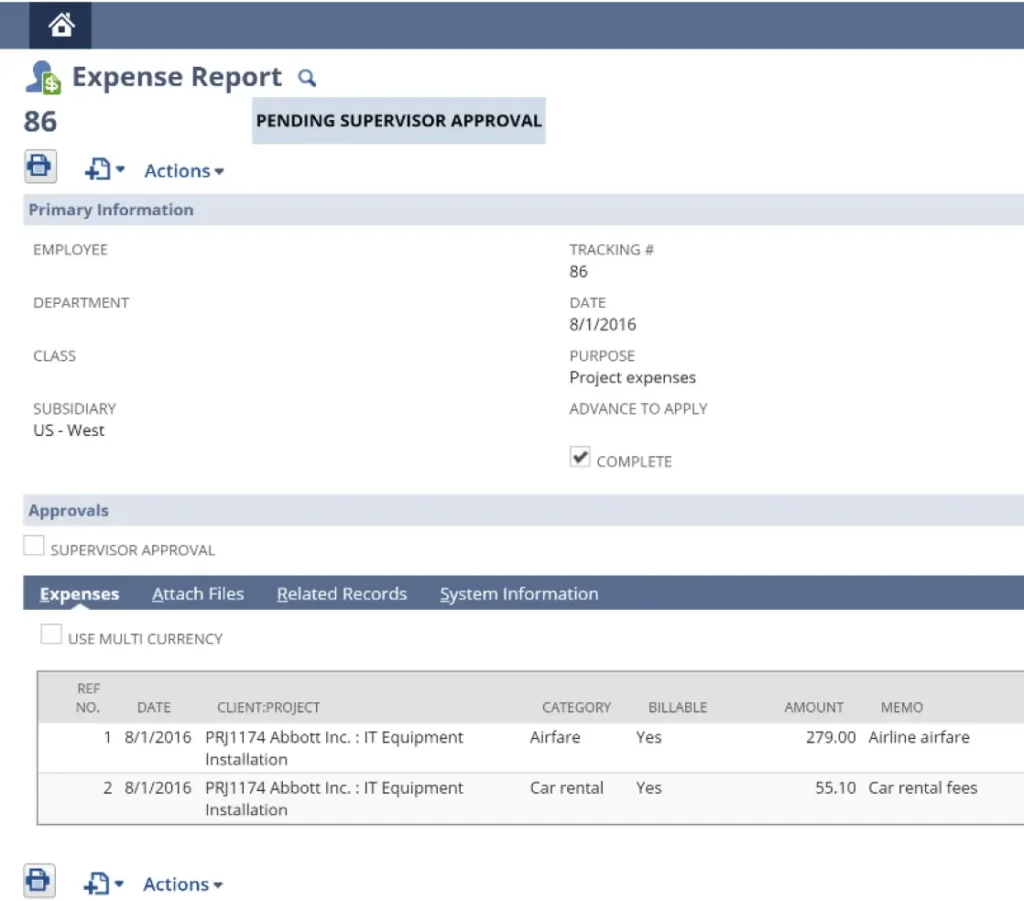
In DPC, the revenue cycle looks straightforward on paper: member enrolls, member pays, member receives care. At scale, it’s a high-volume recurring billing operation with ACH transfers, card payments, plan-specific amounts, census-driven enrollment changes, and bank file submissions running simultaneously.
The client’s billing process was largely manual (staff were generating ACH and POSPAY files by hand, reviewing them, and submitting them to the bank on a fixed schedule) Any enrollment change mid-cycle meant manual intervention. Any error in the file meant a delay in funds hitting the account.
We built a SuiteFlow workflowin November of 2022 that triggered automatically on the customer payment record based on billing cycle and payment method.
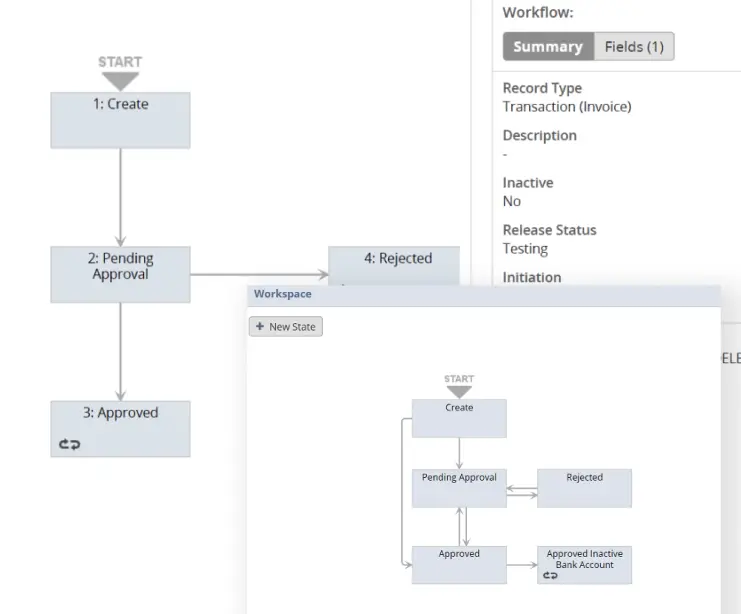
For ACH members, the workflow generated the NACHA-formatted ACH file and staged it for SFTP transmission to the bank without staff involvement. For card members, that flow connected directly into the CardConnect integration. POSPAY files (used to authorize checks with the bank) were generated on the same automated cadence.
On the inbound side, we configured BAI2 file imports via SFTP, which pulled daily bank statement data directly into NetSuite’s bank reconciliation module. Instead of someone manually downloading a statement and matching transactions, the system ingested the file, matched against open transactions, and flagged exceptions for human review. Staff went from processing every transaction to reviewing only the ones that needed attention.
For census-based billing (where member counts change monthly based on employer group enrollment files) we built import logic that updated billing quantities on the customer record before the billing cycle ran, so the amounts going out the door reflected actual enrolled membership.
“A DPC organization manages thousands of recurring member relationships simultaneously, each with a billing cycle, a payment method, a plan type, and a renewal cadence.
> Revenue Recognition Built for Healthcare (Salora ERP’s ARM)
November 2022 — April 2023
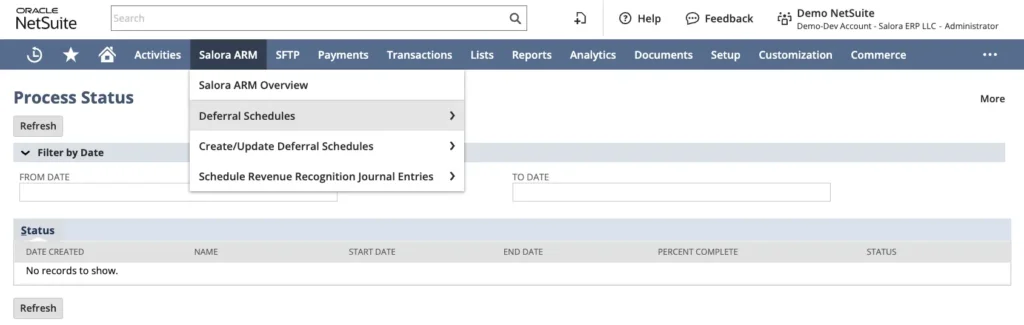
DPC revenue is structurally deferred. A member pays a monthly or annual fee upfront. The obligation to provide care is fulfilled over the coverage period. Without a proper amortization framework, the revenue hits the books when cash is collected rather than when it’s earned , which means the P&L is always slightly wrong, and the finance team is always manually correcting it.
We started with NetSuite’s native Amortization module and built our own (Salora ERP’s ARM) to handle both. Amortization templates were built for each revenue and expense type, defining the recognition method, period length, and posting accounts. Those templates were attached to the relevant items and expense categories, so when a transaction posted, the amortization schedule was generated automatically.
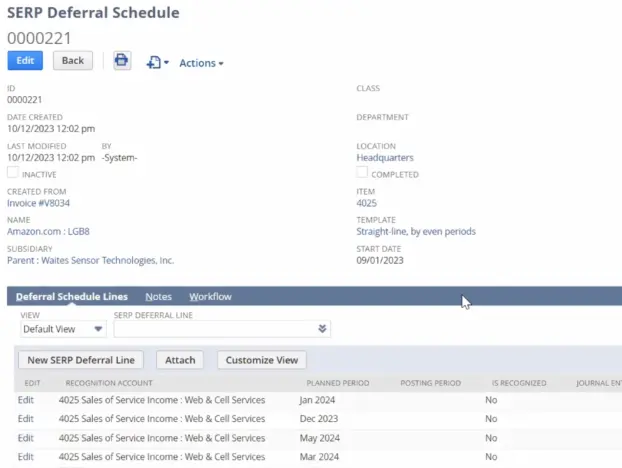
For expenses that needed to be spread across subsidiaries or departments, we configured Allocation Schedules within NetSuite to distribute amounts based on defined rules (headcount, revenue percentage, or fixed splits) and set them to run as part of the period-close process. We added safeguards in the workflow to prevent the same allocation from running twice, which had been a recurring problem before.
Role-based permissions were restructured so that the team members responsible for running period-close processes had exactly the access they needed and no more.
> Payment Processing (SynCard Application)
October 2022 (Sandbox) — March 2023 (Production)
This client was processing card payments through an external payment processor, but the integration was shallow (transactions were being processed outside NetSuite and manually reconciled back in). Two systems, two sources of truth, and a staff member in the middle connecting them.
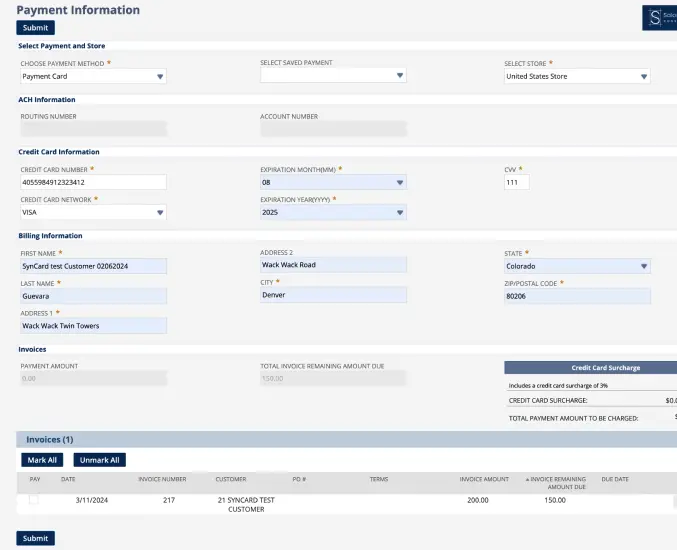
We implemented an early version of our Syncard (Intelligent Payment Processing in NetSuite) application back in 2023, which embedded the payment tokenization and processing flow directly into the customer payment record. When a payment was initiated, the charge ran through SynCard and the result — approved, declined, or flagged — posted back to the NetSuite transaction in real time.
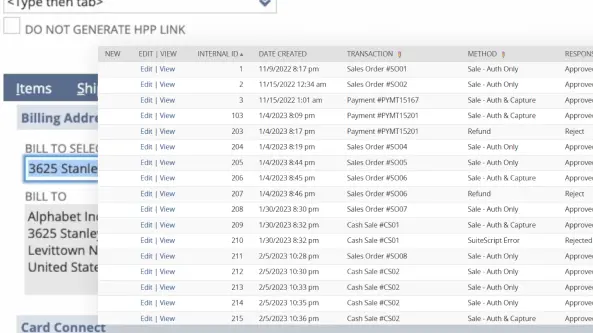
As part of Syncard, surcharge logic was configured at the payment method level, so the correct fee was calculated and disclosed at the point of transaction automatically. Custom invoice PDF templates were also built so that customer-facing documents reflected the surcharge line correctly and pulled the right subsidiary branding. Remittance emails were triggered by the payment workflow, so Susie in accounting didn’t have to do them manually.
The practical outcome was a single system of record for every card transaction the business processed, with no reconciliation gap between what the gateway saw and what the books showed.
“Add multiple subsidiaries, a growing vendor network, and the compliance expectations of a regulated healthcare environment, and the back office carries a real operational load.”
What Stays With Us From This Engagement
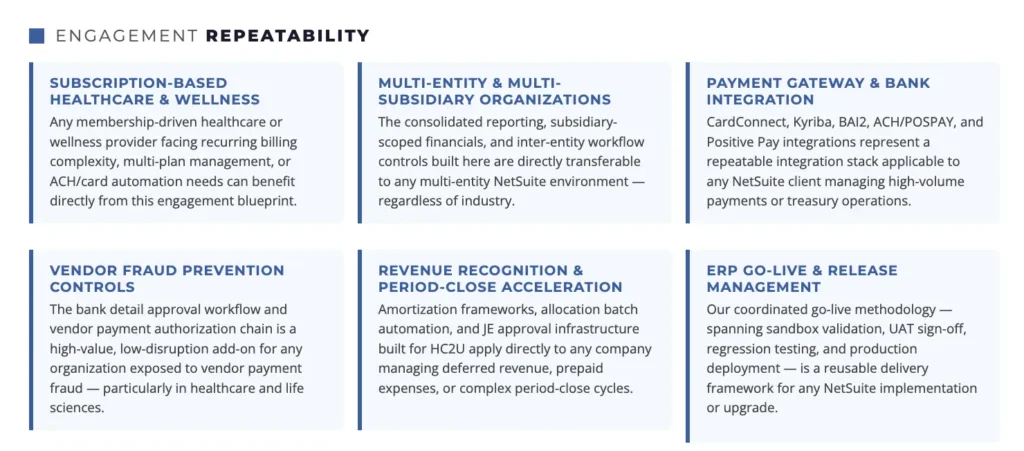
The DPC model runs on a promise to patients: accessible, affordable, relationship-based primary care. Delivering on that promise requires a business that operates without constant firefighting in the back office.
Payroll has to process. Vendors have to get paid — correctly, and to the right accounts. Member billing has to go out on time and post accurately. Leadership has to be able to look at the financials and trust what they see. When any of that breaks down, it doesn’t stay contained in the finance department. It ripples outward to staff, to vendors, to members, and to the continuity of care.
The engagement started with a report request. It grew because, once the client saw what a properly configured financial infrastructure could do, they kept identifying what to fix next. Three years and nearly 200 engagements later, they have an ERP that supports the scale of the organization they’ve built.
If you’re leading finance or operations at a healthcare, life sciences, or wellness organization and any part of this resonates, we’d welcome a conversation.
We are a financial systems integration firm specializing in NetSuite ERP for healthcare, life sciences, and high-growth businesses.
📩 [email protected] · 🌐 saloraerp.com · 📞 +1·720·254·1320
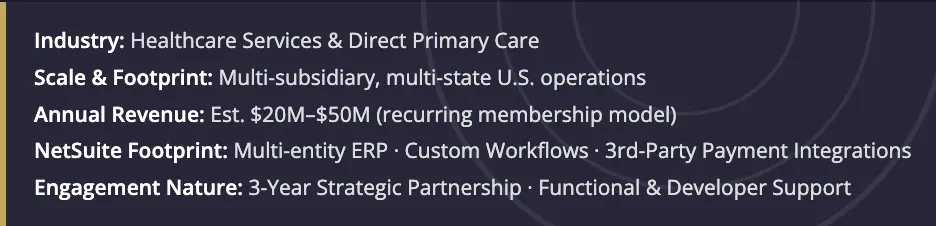
Scale & Footprint: Multi-subsidiary, multi-state U.S. operations
Annual Revenue: Est. $20M–$50M (recurring membership model)
NetSuite Footprint: Multi-entity ERP · Custom Workflows · 3rd-Party Payment Integrations
Engagement Nature: 3-Year Strategic Partnership · Functional & Developer Support

